Published 20 July 2026
Peru & Machu Picchu Health Guide: Altitude, Yellow Fever & Amazon Risk
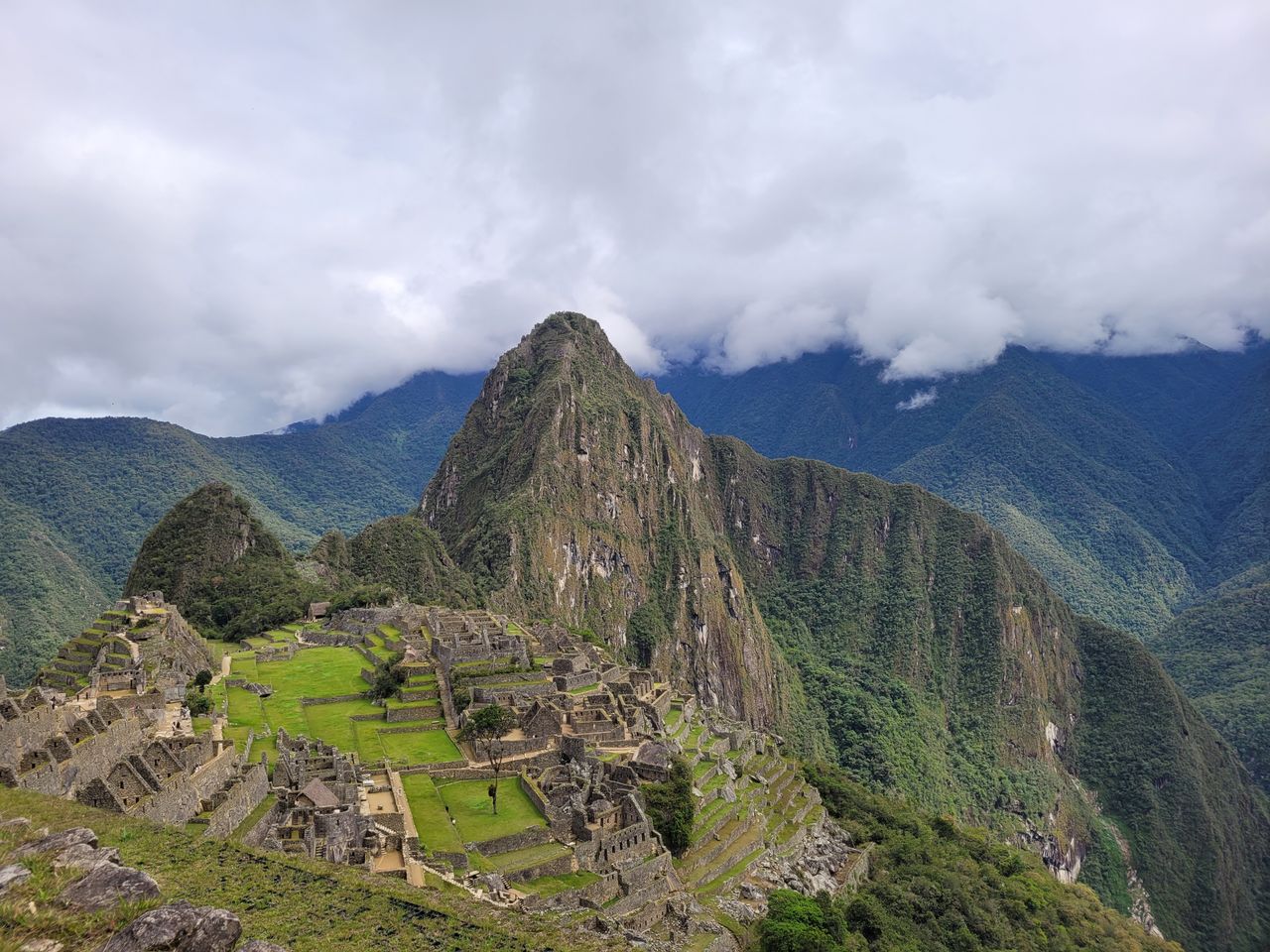
Machu Picchu welcomed around 1.5–1.6 million visitors in 2025, cementing its place as Peru's most visited attraction and one of South America's biggest single draws. It's also one of the most geographically confusing destinations to prepare for health-wise, because the standard Lima–Cusco–Machu Picchu circuit carries an almost entirely different risk profile than an Amazon extension to Iquitos or Puerto Maldonado — and a lot of generic "Peru vaccine guides" blur the two together. Here's what actually applies to each.
The Big Split: Highlands vs. Amazon
Peru's health risks fall into two nearly separate categories depending on elevation:
- Cusco, the Sacred Valley, Machu Picchu, Lake Titicaca, and Lima: minimal to no risk of yellow fever, dengue, or malaria. The main concern here is altitude, not infectious disease.
- The Amazon basin (Iquitos, Puerto Maldonado, Manu, Loreto, Madre de Dios): yellow fever and malaria risk is real, and vaccination or prophylaxis becomes relevant.
If your itinerary is the classic tourist circuit — Lima, Cusco, Sacred Valley, Machu Picchu — you can largely set aside yellow fever and malaria concerns and focus on altitude and food/water safety instead.
Altitude: The Thing That Actually Catches People Out
This is the health issue most likely to affect a standard Peru itinerary, and it's often underweighted in generic vaccine-focused guides. Cusco sits at roughly 3,400m (11,150 ft) — reached via a one-hour flight directly from Lima at sea level, with essentially no acclimatization time built in unless you plan for it. Machu Picchu itself is somewhat lower at about 2,430m (7,970 ft), but most travellers pass through Cusco first.
Altitude sickness (acute mountain sickness) symptoms — headache, fatigue, nausea, difficulty sleeping — are common in the first 24–48 hours at elevation and usually improve with time. To reduce the odds:
- Spend a day or two in Cusco before heading to higher elevations or strenuous activity, rather than landing and immediately trekking
- Stay well hydrated and limit alcohol early on
- Coca tea (mate de coca) is a widely used local remedy; acetazolamide (Diamox) is a prescription option some travellers use preventively — discuss with a clinic before your trip if you have a history of altitude sensitivity
- Watch for confusion, severe headache, or breathlessness at rest — these warrant medical attention, not just rest
Travellers with underlying heart or lung conditions should discuss the Cusco/Machu Picchu altitude specifically with a doctor before booking, since it's higher than many people expect from photos of the ruins alone.
Yellow Fever: Not Required for the Standard Circuit
This is where a lot of confusion happens, so it's worth being direct: Peru does not require yellow fever vaccination for entry, and the vaccine is not generally recommended for travellers whose itinerary is limited to Lima, Cusco, the Sacred Valley, Machu Picchu, or Lake Titicaca — these areas simply don't carry yellow fever risk.
Where it does matter:
- The Amazon basin — Iquitos, Puerto Maldonado, Manu, and rural areas below about 2,300m east of the Andes — carries real yellow fever risk, and vaccination is recommended if this is part of your trip.
- Onward travel — if you're continuing to a country that requires proof of yellow fever vaccination (Ecuador, for example, requires it from travellers who've spent more than 10 days in Peru), you may need it regardless of where in Peru you went. See our yellow fever certificate guide for how these transit rules work.
South America's broader yellow fever situation has been active in 2026, with Peru recording dozens of confirmed cases and PAHO reporting a regional case fatality rate above 40% in recent years. That context doesn't change the recommendation for the standard highland circuit, but it's a good reason to take the Amazon-extension recommendation seriously if that's part of your plans.
Malaria: Amazon-Specific, Not a Cusco Concern
Malaria in Peru follows the same geographic logic as yellow fever. Transmission occurs on the eastern side of the Andes at elevations below about 2,500m — essentially the Amazon basin — with Plasmodium vivax accounting for roughly 80% of cases and P. falciparum the remainder. Lima, Cusco, Machu Picchu, the Sacred Valley, and Lake Titicaca carry no meaningful malaria risk; the mosquitoes that transmit it don't live at that altitude. If your trip extends to Iquitos, Puerto Maldonado, or other lowland jungle areas, discuss chemoprophylaxis with a travel clinic — options include atovaquone-proguanil, doxycycline, or mefloquine depending on your health history and length of stay.
Dengue: Coastal and Jungle Risk, Not Highland
Dengue is Peru's most common mosquito-borne illness overall, with recent significant outbreaks affecting Lima and coastal cities as well as Amazon regions. As with malaria and yellow fever, high-altitude destinations carry no meaningful risk. There's no widely recommended vaccine for travellers, so prevention — repellent, covering up, screened or air-conditioned accommodation — is the main defence if your trip includes Lima or the jungle.
Hepatitis A, Typhoid and Routine Vaccines
Regardless of which part of Peru you're visiting, hepatitis A is recommended for essentially all travellers, and typhoid is worth considering if you're heading off the main tourist circuit, staying in smaller towns, or — as one well-known guide puts it — you're an adventurous eater. Keep routine vaccines (MMR, Tdap, seasonal flu) current; Peru has had periodic outbreaks of vaccine-preventable diseases including measles and diphtheria despite generally high vaccination coverage.
Other Things Worth Knowing
- Leptospirosis: present in freshwater sources; avoid swimming in untreated lakes, rivers, or ponds.
- Rabies: relevant mainly for extended rural stays or close animal contact; any bite or scratch needs prompt medical attention regardless of vaccination status.
- Sun exposure: the Andean sun is significantly stronger than it feels at altitude, even on overcast days — sunscreen and a hat matter more in Cusco than people expect.
- Traveller's diarrhoea: stick to bottled water and be selective with raw vegetables from street vendors, particularly outside Lima's more established restaurant scene. See our full guide to prevention and treatment.
When to Seek Medical Attention
Get care promptly for: altitude symptoms that don't improve with rest and hydration (or that include confusion or breathlessness at rest), fever that doesn't resolve, any animal bite or scratch, or severe abdominal symptoms. Lima and Cusco both have decent private clinic options; more remote Amazon towns have far more limited care, which is worth factoring into trip planning if you're heading off the standard circuit.
Planning an Extension?
If you're combining Peru with other Andean or Amazon destinations, check requirements separately — yellow fever certificate rules vary significantly by country even within South America, and a itinerary that's low-risk in Peru can become relevant again the moment you cross into Bolivia or Ecuador. Check the full Peru vaccine requirements on our interactive map, and find a clinic that can talk through your specific route, altitude history, and any Amazon extension plans.
Check Vaccines for Peru
See full vaccine, malaria and outbreak guidance for Peru on the interactive world map.
View Peru Guide →This article is for informational purposes only and does not constitute medical advice. Always consult a qualified travel health professional or GP before travel.